✦ Trimurthulu · The Carnatic Trinity

Three saints who shaped Carnatic music

Born within thirteen years of each other in Tiruvarur, the Trinity codified the kriti form and gave Carnatic music its devotional, raga-rich soul.

It is our time to protect, promote and preserve this music.

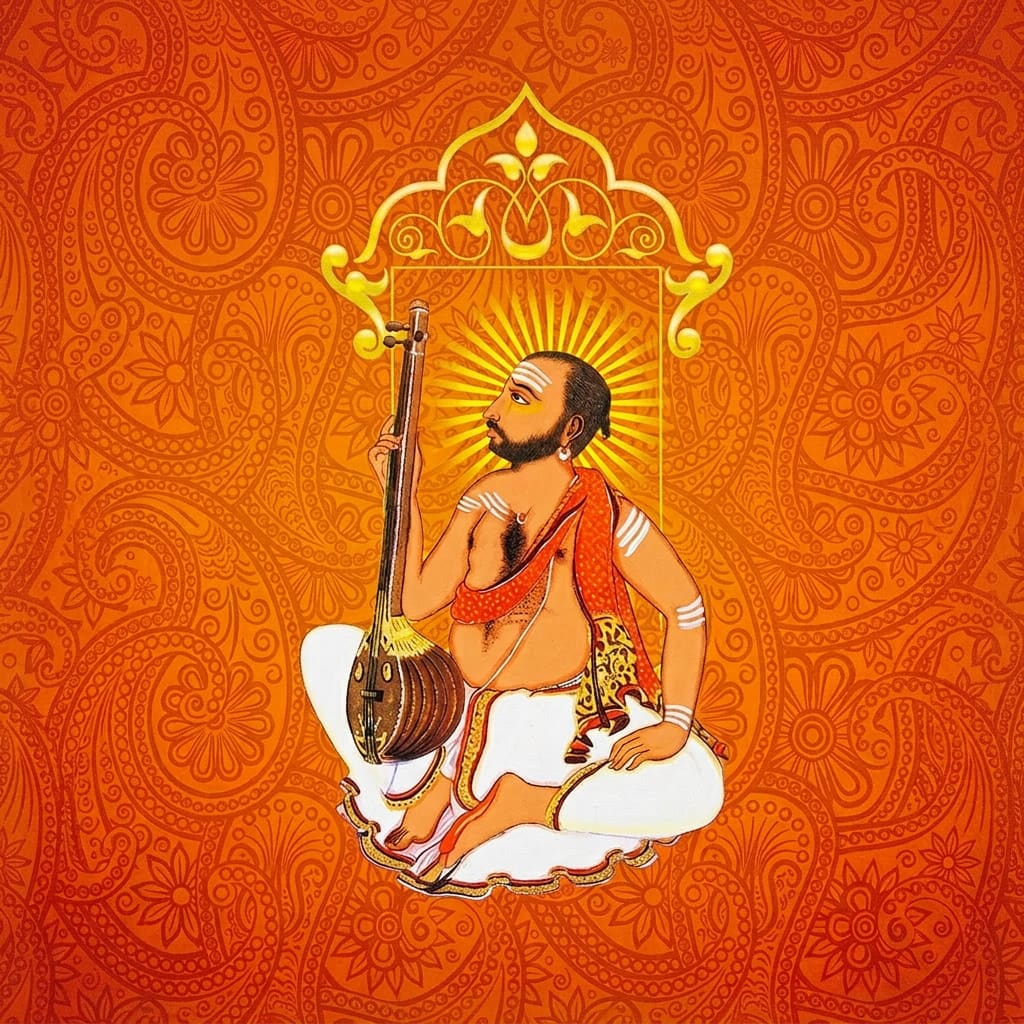
Portrait of Muthuswami Dikshitar

Muthuswami Dikshitar

Born in Tiruvarur, he composed almost entirely in Sanskrit in the meditative vilamba kala. A master vainika, his Navagraha kritis and Kamalamba Navavarana cycle on Goddess Kamalamba of Tiruvarur are considered architectural marvels of raga.

24 March 1775 – 21 October 1835 (60 years)
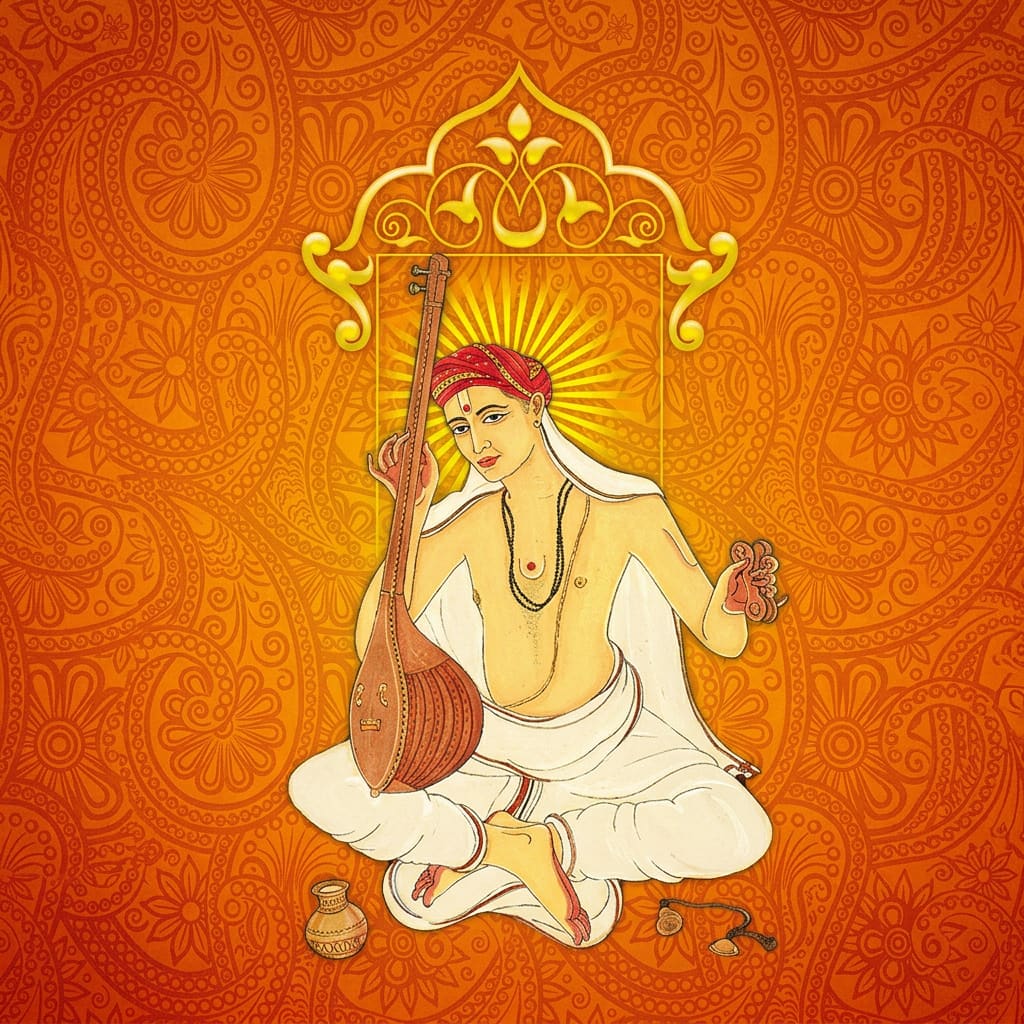
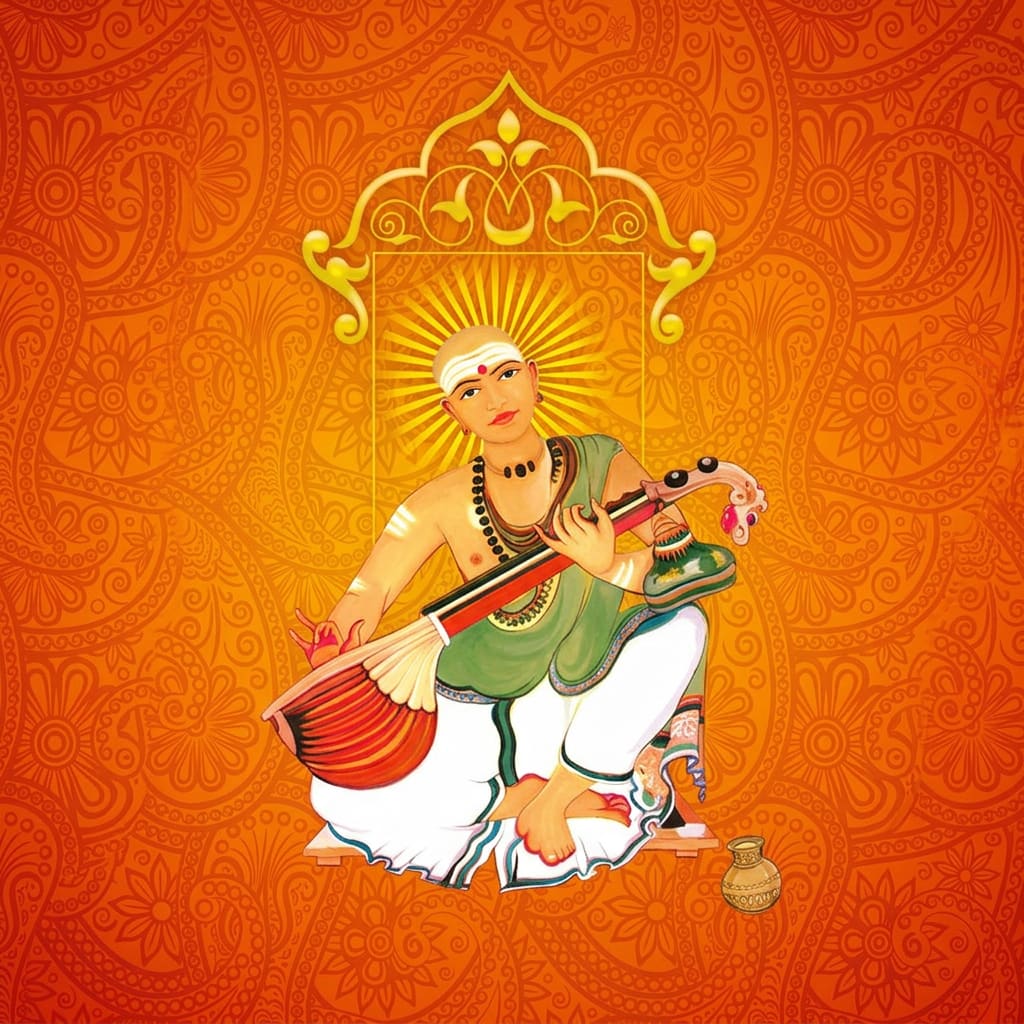
Portrait of Saint Tyagaraja

Saint Tyagaraja

Born in Tiruvarur and lived most of his life in Tiruvaiyaru on the banks of the Kaveri. A lifelong devotee of Sri Rama, he composed over 700 kritis in Telugu and Sanskrit. His Pancharatna Kritis remain the spiritual core of every Carnatic concert.

4 May 1767 – 6 January 1847 (79 years)
Portrait of Syama Sastri

Syama Sastri

The eldest of the trinity, born in Tiruvarur and devoted to Goddess Kamakshi (of Bangaru Kamakshi shrine, Thanjavur). His celebrated Swarajatis in Bhairavi, Yadukula Kambhoji and Todi, and his command of rare talas like Misra Chapu, reveal the rhythmic genius of Carnatic music.

26 April 1762 – 6 February 1827 (64 years)

"Sangeetha Jnanamu Bhakti Vina Sanmargamu Galade?" — Without the wisdom of music and devotion, is there a true path? · Tyagaraja

Foundations Mastery

Master Carnatic Music from First Principles

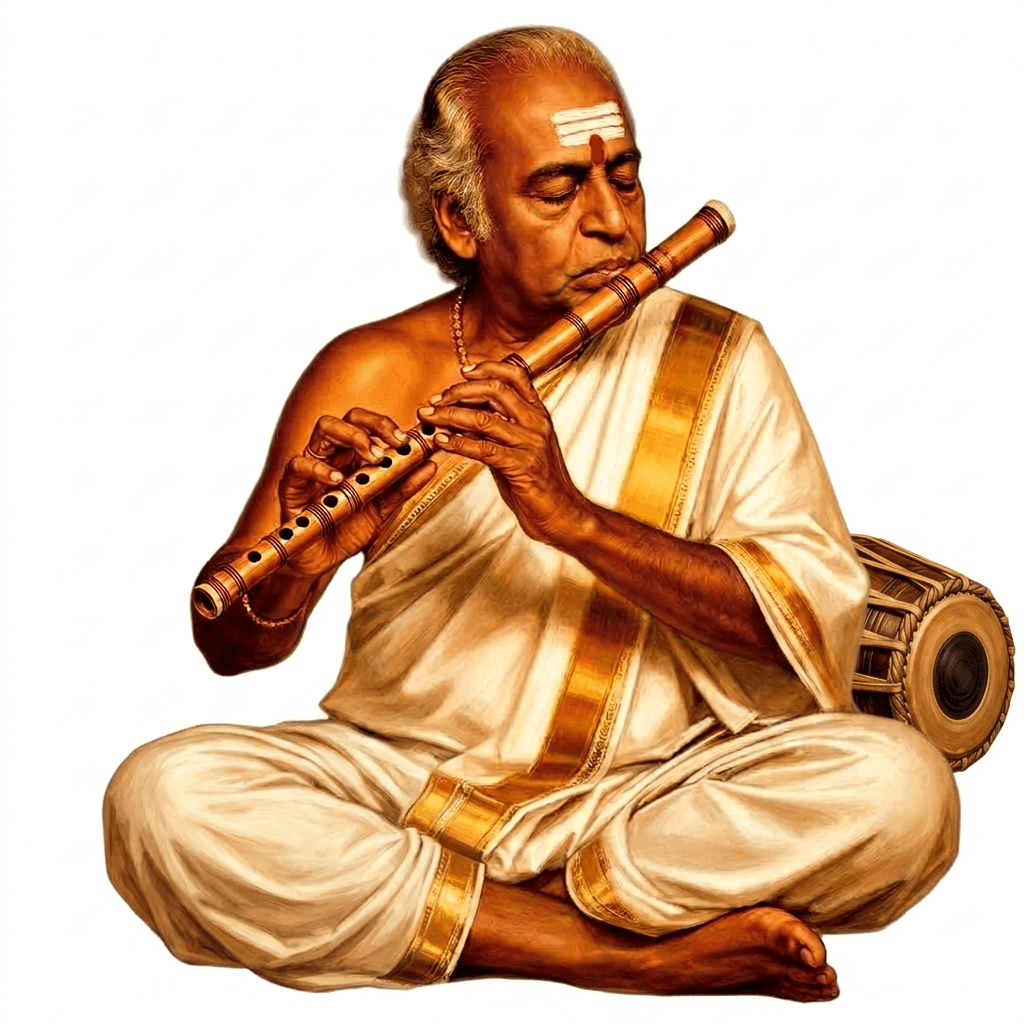
Built for flute students who want a structured path — Shruti, Tala, and Sangeetam, in the traditional Carnatic order.

The traditional order

Tune. Time. Sing.

1 · Shruti

Settle the tambura, anchor your Sa.

2 · Tala

Clap, count, hold the cycle steady.

3 · Sangeetam

Sing aligned to shruti and tala.

Built on tradition

Practice that respects the guru-shishya path

Shruti first. Always.

Every session starts with the tambura. No shortcut around a steady tonic.

Tala before tune.

Internalize the cycle with claps and konnakol before you ever chase a phrase.

One thing at a time.

Short, focused drills — long notes, sarali, then layered varisas — never a wall of theory.

Common questions

Frequently asked

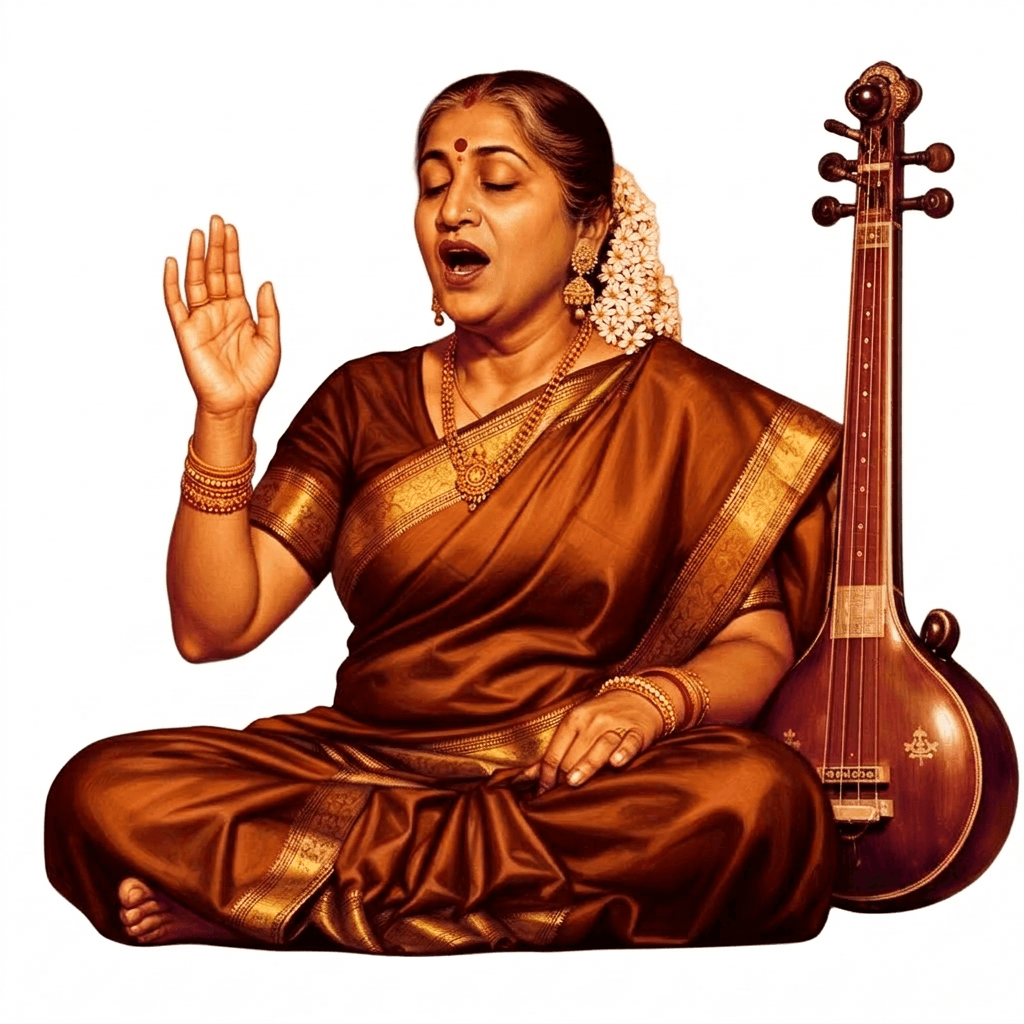
Is Carnatic Compass free to use?+

Yes — the practice studio (tambura, tala wizard, konnakol trainer) is free. Sign up only when you want to track your progress.

Do I need to know music theory to start?+

No. We start from first principles: settle your shruti, internalize tala, then sing or play. Each module builds on the previous one.

Which instruments are covered?+

Flute and Vocal are live today. Tabla, Mrudangam, Violin, and Veena modules are on the way.

How long should a daily practice session be?+

20–30 minutes of focused practice — shruti alignment, tala drill, then your instrument — beats hours of unfocused playing.

Explore the Compass

Pick where to go next.